Iran-Israel-U.S. War and World Order 2026: Why Middle Powers Are Relearning Hedging | Geopolitics Agenda
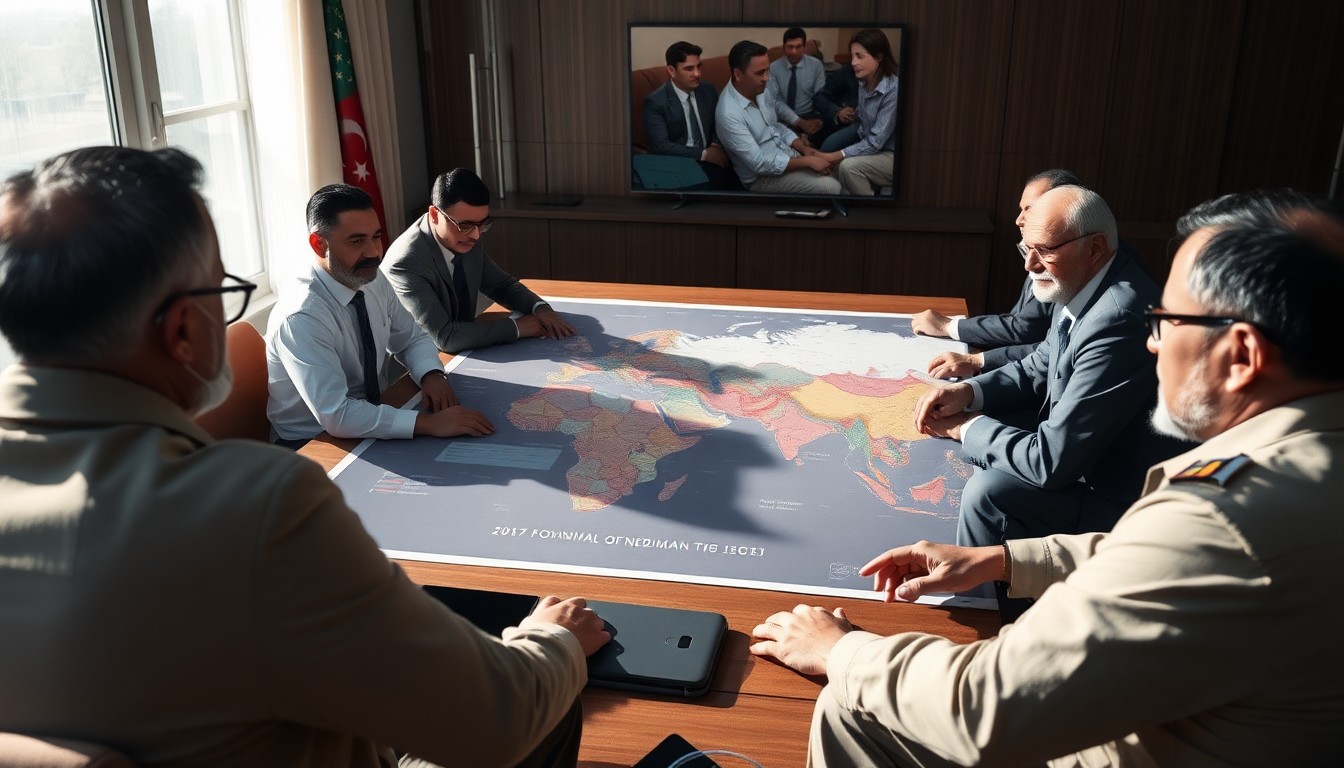
Capitals from Ankara to New Delhi are widening diplomatic and commercial options instead of trusting one patron.
Open article ->World Order Alert
Capitals from Ankara to New Delhi are widening diplomatic and commercial options instead of trusting one patron.
01/01
Thirty new Iran-Israel-U.S. world-order dossiers on alliances, trade, finance, technology, and coercion.
Capitals from Ankara to New Delhi are widening diplomatic and commercial options instead of trusting one patron.
Open article ->Saudi Arabia, the UAE, Qatar, and Oman are managing energy confidence, mediation, and escalation control at once.
Open article ->Beijing wants stable flows, stronger commercial leverage, and mediation credit without inheriting the full security burden.
Open article ->Moscow gains room whenever Western inventories, political focus, and alliance bandwidth are split across several theaters.
Open article ->The war is forcing Europe to test whether autonomy means capacity, inventory, and escort power rather than rhetoric.
Open article ->New Delhi has to protect oil exposure, expatriate safety, shipping risk, and corridor ambitions simultaneously.
Open article ->The war is reminding every major economy that geography still charges rent during a crisis.
Open article ->War-risk insurers and reinsurers are shaping state behavior almost as directly as diplomats and admirals.
Open article ->Financial coercion still matters, but every new pressure cycle also pushes more actors to test alternatives.
Open article ->The gap between legal authority and political stopping power is widening in full view of the world.
Open article ->Private imagery and open-source analysis are compressing the time between events, attribution, and global response.
Open article ->Access to integrated interception, radar coverage, and command networks is becoming a new marker of political privilege.
Open article ->Structured hierarchy for the biggest strategic developments.
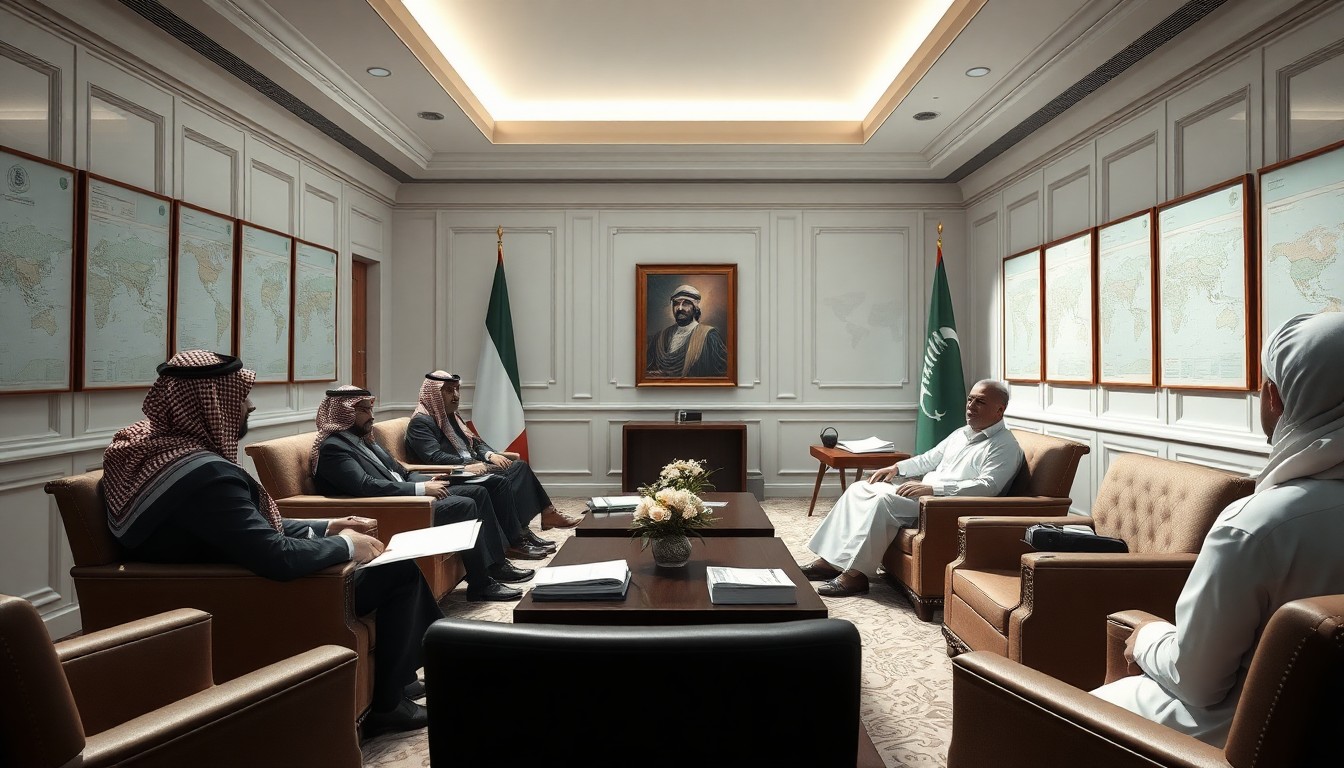
Saudi Arabia, the UAE, Qatar, and Oman are managing energy confidence, mediation, and escalation control at once.
Read full analysis ->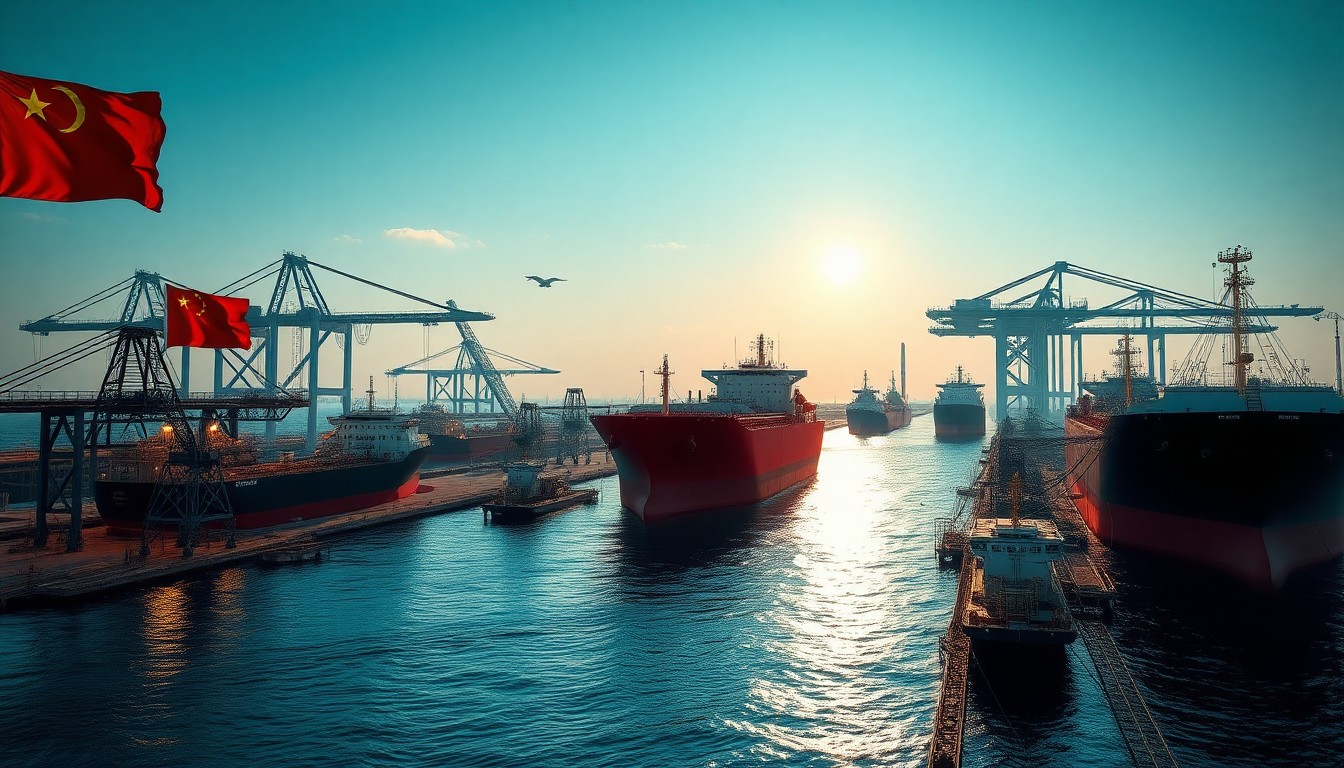
Beijing wants stable flows, stronger commercial leverage, and mediation credit without inheriting the full security burden.
Moscow gains room whenever Western inventories, political focus, and alliance bandwidth are split across several theaters.
The war is forcing Europe to test whether autonomy means capacity, inventory, and escort power rather than rhetoric.
Read more ->New Delhi has to protect oil exposure, expatriate safety, shipping risk, and corridor ambitions simultaneously.
Read more ->The war is reminding every major economy that geography still charges rent during a crisis.
Read more ->Top developments for Thursday, October 8, 2026
Weekly Deep Briefing
War-risk insurers and reinsurers are shaping state behavior almost as directly as diplomats and admirals.
Read the full briefing ->Rapid updates across diplomacy, security, technology, and global risk shifts.
Capitals from Ankara to New Delhi are widening diplomatic and commercial options instead of trusting one patron.
Read instant coverage ->Saudi Arabia, the UAE, Qatar, and Oman are managing energy confidence, mediation, and escalation control at once.
Read instant coverage ->Beijing wants stable flows, stronger commercial leverage, and mediation credit without inheriting the full security burden.
Read instant coverage ->Moscow gains room whenever Western inventories, political focus, and alliance bandwidth are split across several theaters.
Read instant coverage ->The war is forcing Europe to test whether autonomy means capacity, inventory, and escort power rather than rhetoric.
Read instant coverage ->New Delhi has to protect oil exposure, expatriate safety, shipping risk, and corridor ambitions simultaneously.
Read instant coverage ->The war is reminding every major economy that geography still charges rent during a crisis.
Read instant coverage ->War-risk insurers and reinsurers are shaping state behavior almost as directly as diplomats and admirals.
Read instant coverage ->Long-form policy analysis and context for decision-grade reading.
His detention comes as he faces legal proceedings after being dismissed in a corruption scandal.
Read analysis ->An analysis of the shift from unipolarity to multipolarity and what it means for global stability, alliances, and diplomacy.
Read analysis ->An exam-friendly analysis of Indo-Pacific geopolitics in 2026, focused on sea lanes, strategic partnerships, and managed regional competition.
Read analysis ->Minimal signals from energy, shipping, and strategic commodity flow.
Oil and LNG sensitivity to sanctions, transit chokepoints, and naval risk.
Insurance cost shifts and corridor stability across the Red Sea and Black Sea.
Lithium, nickel, and rare-earth stress points tied to policy competition.